 N環球

D.C. autonomous-vehicle bill stalls as three transportation committee members oppose it; sponsor concedes 800-vehicle cap
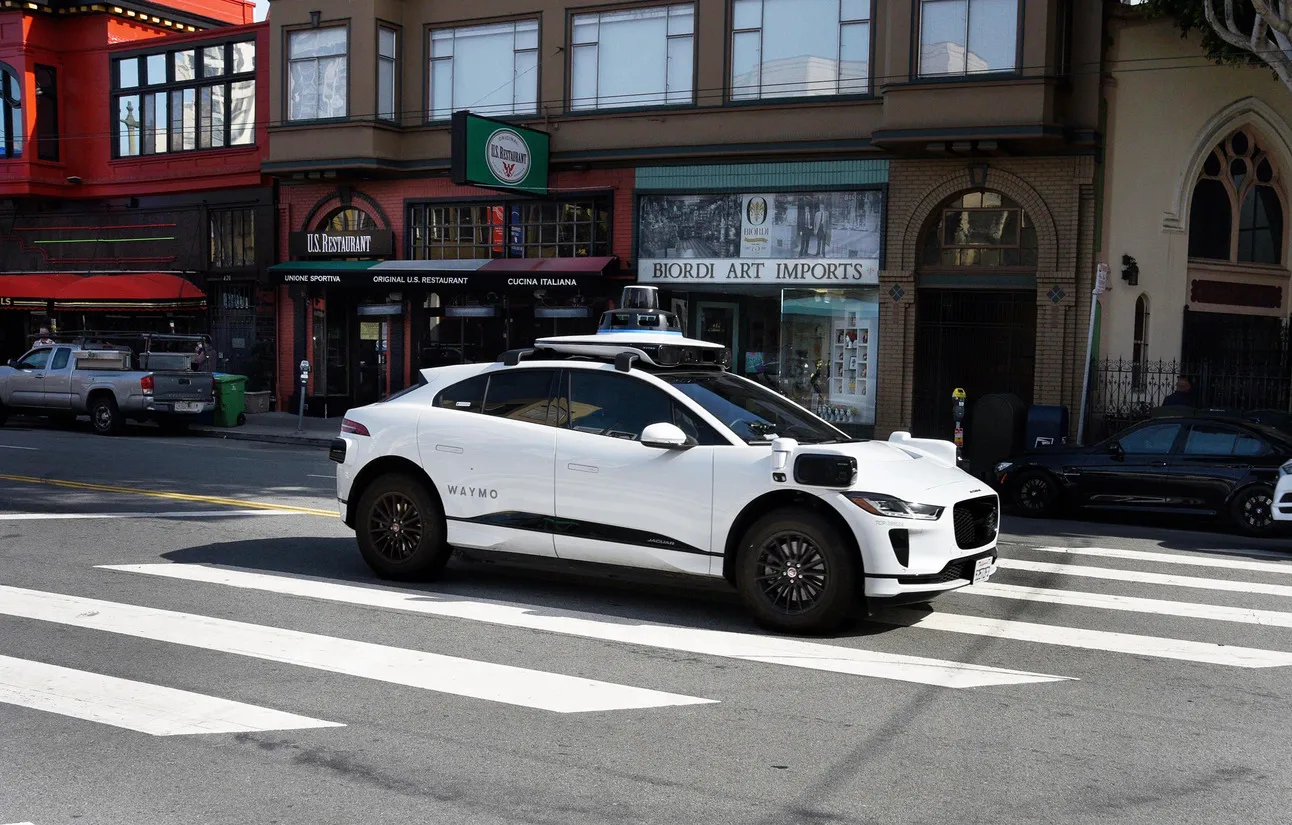
A bill to legalize passenger service in self-driving cars operated by Waymo and others in Washington, D.C., hit trouble on 10 November, as three Transportation Committee members said they would vote no this week and urged delay until next session; bill author Charles Allen redrafted it with an 800-vehicle district-wide cap and a right for rideshare drivers and AV maintenance workers to unionize.
A D.C. Council bill to legalize passenger service in self-driving cars operated by Waymo and other companies hit trouble on 10 November: three members of the Transportation Committee — Zachary Parker, Elissa Silverman and Mayor-elect Janeese Lewis George — said they would vote "no" if it were put to them this week, and urged delaying any vote until next session, when new council members and Lewis George's appointees take office, citing labour displacement and safety concerns.
Allen's last-minute rewrite: 800-vehicle cap and a right to unionize
The bill's author and committee chair, Charles Allen, redrafted the measure in a last-minute bid to win over sceptics: the new version unveiled on Tuesday caps the total number of autonomous vehicles across D.C. at 800 for all companies, and would allow both rideshare drivers and workers at autonomous-vehicle maintenance facilities to unionize. Other provisions include a vehicle miles-travelled tax whose revenue would support displaced rideshare workers and manage congestion, a requirement that operators begin offering wheelchair-accessible rides, stringent data-sharing rules, and a lengthy driverless testing phase before commercial service can start.
Mayor-elect: not about being for or against Waymo, but about not rushing
Lewis George came out against the bill last month over rideshare and taxi job displacement raised by local labour unions, including the Service Employees International Union. "We understand this innovation is the future," she said last Friday on WAMU's "The Politics Hour". "It isn't about being for or against Waymo, it's how quickly we need to get there. This is a decision I don't believe needs to be rushed in this moment." Silverman said she agreed the vote should wait until Lewis George's transportation, for-hire vehicle and employment services directors are in place. Parker wrote on X that he supports authorizing autonomous vehicles, but: "Before we vote, let's take a few more months to work with the incoming mayor, who will implement the law, and address the concerns raised by firefighters, for-hire vehicle workers, and others. We'll have a stronger bill for it."
Allen called the bill "the most worker-friendly, the most safety-focused, the most progressive legislation" on autonomous vehicles in the country, and noted the council has held three hearings on the technology in the past two and a half years; he had hoped to mark it up early this week and reach a full council vote by the end of the year. Waymo, the country's largest autonomous-vehicle operator, has built three facilities across D.C. for charging and servicing its fleet and has promised hundreds of jobs; a contractor supporting its fleet has posted an "Autonomous Vehicle Technician" role based in D.C. paying up to $54 an hour. Uber urged the council to slow down, saying that with only weeks left in the session it should fully consider the effects on rider prices, driver protections and earnings, and service levels. SEIU 32BJ said the midterm results showed "widespread public distrust against corporate power and artificial intelligence" and that lawmakers should reject autonomous vehicles operating in the District. Source: The Washington Sun, 10 November 2026.
💬 Comments
No comments yet. Be the first!