 N環球

Spain's transport minister Óscar Puente resigns over 69-death Urda train crash; Madrid-Seville cuts and aid go ahead
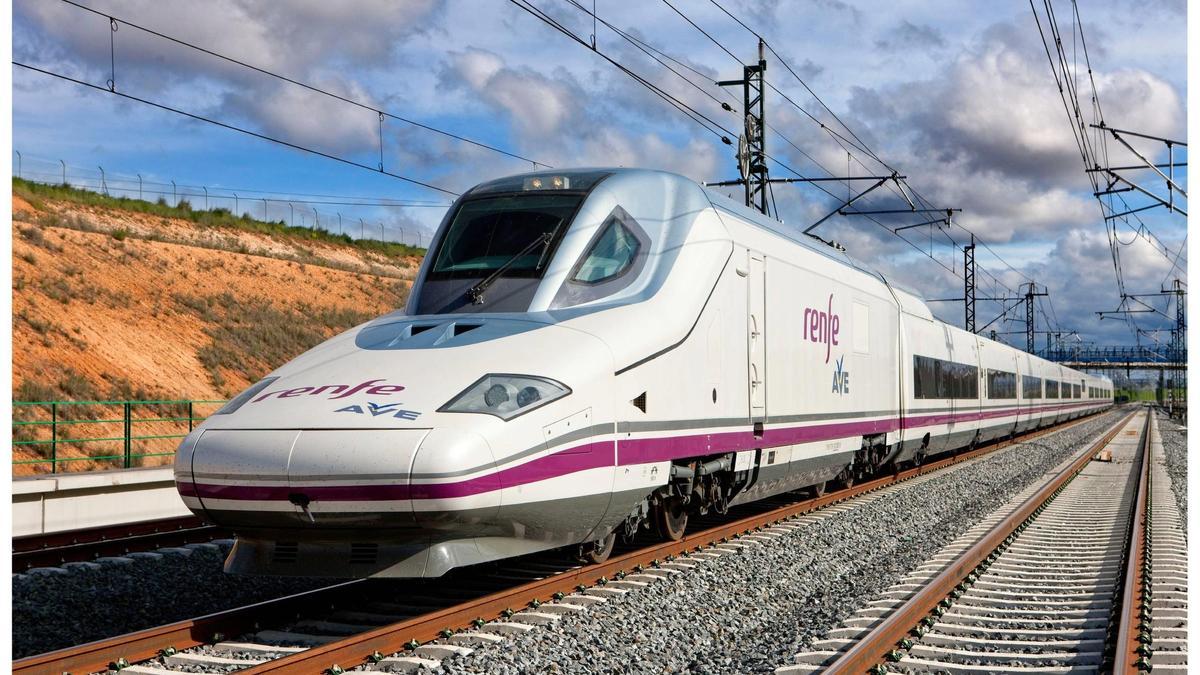
Óscar Puente announced his resignation after a hearing before Congress's Permanent Deputation on November 3, and said he would also withdraw from the Socialist list for the November 29 general election, saying a transport minister cannot stay on after two accidents of such severity in less than a year. He told lawmakers the Urda crash followed a signalling failure after which the control centre authorised the train to continue, with an estimated impact speed of 160 to 200 kph; all 69 victims have now been identified. Madrid-Seville services will be cut and an emergency aid package is planned. (Cover photo is a file photo of a Renfe AVE high-speed train, not the trains involved.)
Spain's Transport Minister Óscar Puente resigned on November 3 after appearing before Congress's Permanent Deputation, taking responsibility for the October 28 high-speed train collision near Urda that killed 69 people; he also announced he would withdraw from the Socialist Party's list for the November 29 general election. At the end of a hearing lasting about four hours, Puente said: “A transport minister in a country like Spain cannot continue in office with two accidents of this severity in less than a year.” He said he had taken the decision shortly after the October 28 crash but stayed on to tackle the consequences and take measures to prevent such accidents in the future, and that Prime Minister Pedro Sánchez learned of his decision only a few minutes before he announced it.
What happened: train authorised to continue after signalling failure
On October 28, a Renfe AVE high-speed train ploughed into the back of a stationary train operated by the private company Iryo, killing 69 people and injuring around 200, in Europe's worst train crash since 2013. Puente told lawmakers that after the trains' LZB automatic safety system failed and all trains on the line were stopped, the control centre run by Adif, Spain's state-owned rail infrastructure manager, authorised the AVE to resume its journey; it then travelled about 25 kilometres at more than 160 kph before the collision, with investigators estimating an impact speed of 160 to 200 kph. All 69 victims have now been identified, including 54 Spanish nationals and 15 foreigners, among them one Canadian; officials said 29 injured people remain in hospital.
Second deadly crash on the same line this year; cuts and aid proceed
It was the second deadly collision on the Madrid-Seville line this year, after a derailment near Adamuz in January killed 46 people. Earlier on November 3, Puente had announced that Madrid-Seville services will be reduced until the Railway Safety Agency completes its review of the line's safety system and the delayed rollout of the European Rail Traffic Management System is finished; on November 2, Sánchez said the government would approve an emergency aid package, including doubling payouts under compulsory passenger insurance, advancing compensation payments and improving temporary incapacity cover. Adif's works council has agreed to push for a strike on November 17 to demand better rail safety, although the strike has not yet been formally called; Spain holds a general election on November 29, less than a month after Puente's resignation. (Cover photo is a file photo of a Renfe AVE high-speed train, not the trains involved.)
💬 Comments
No comments yet. Be the first!